






A successful website or mobile app is not only about attractive visuals. It is about creating an experience that makes it easy for people to understand, navigate, and complete what they came to do. User-centered design focuses on the people using a digital product and places their needs, expectations, behaviors, and challenges at the center of the design process.
Businesses that invest in user-centered design can create digital experiences that feel more intuitive, useful, and engaging. Instead of designing based only on assumptions, teams use research, testing, feedback, and real user behavior to make better decisions throughout the development process.
What Is User-Centered Design?
User-centered design is an approach to creating digital products around the needs of the people who will actually use them. It considers users throughout the entire design and development process rather than treating them as an afterthought.
This approach can be applied to business websites, mobile applications, customer portals, e-commerce platforms, booking systems, dashboards, and many other digital products.
The goal is simple: understand what users need and create an experience that helps them accomplish their goals with as little unnecessary friction as possible.
For businesses working on a new digital product, a user-centered approach can be incorporated into the planning and design process through professional UI/UX design services.
Why User-Centered Design Matters
People expect digital experiences to be fast, clear, and easy to use. When a website is confusing or an application requires too many unnecessary steps, users may leave before completing an important action.
User-centered design helps businesses identify these problems before they become expensive development issues.
A well-designed experience can make it easier for visitors to find information, complete forms, schedule appointments, purchase products, request quotes, or contact a business.
The benefits can extend beyond usability. Better experiences can also support customer satisfaction, engagement, conversions, and long-term brand perception.
1. It Helps Businesses Understand Their Users
One of the most important principles of user-centered design is understanding the target audience.
Businesses should know who their users are, what they are trying to accomplish, what problems they experience, and what information they need before making important design decisions.
Research can include customer interviews, surveys, analytics data, usability testing, customer support feedback, and other sources of user information.
This research provides valuable insight into how people actually interact with a digital product.
Instead of designing for an imaginary user, businesses can make decisions based on real needs and behaviors.
2. It Creates More Intuitive Navigation
Navigation plays a major role in digital usability.
When users cannot figure out where to go next, they may become frustrated and abandon the website or application.
User-centered design focuses on creating navigation structures that match how users think about information.
For example, a business website should organize services, products, resources, and contact information in a way that makes sense to its target audience.
Clear menus, logical page structures, descriptive labels, and consistent navigation patterns can help users move through a digital experience more confidently.
3. It Reduces Friction
Friction refers to anything that makes it harder for a user to complete an intended action.
This could include a complicated registration process, a confusing checkout page, an unclear button, excessive form fields, slow-loading content, or an unnecessarily complicated workflow.
User-centered design looks for these obstacles and attempts to remove them.
For example, if customers regularly abandon a form because it contains too many fields, the design team can evaluate which information is actually necessary and simplify the process.
Small improvements like these can have a meaningful impact on the overall experience.
4. It Improves Mobile Experiences
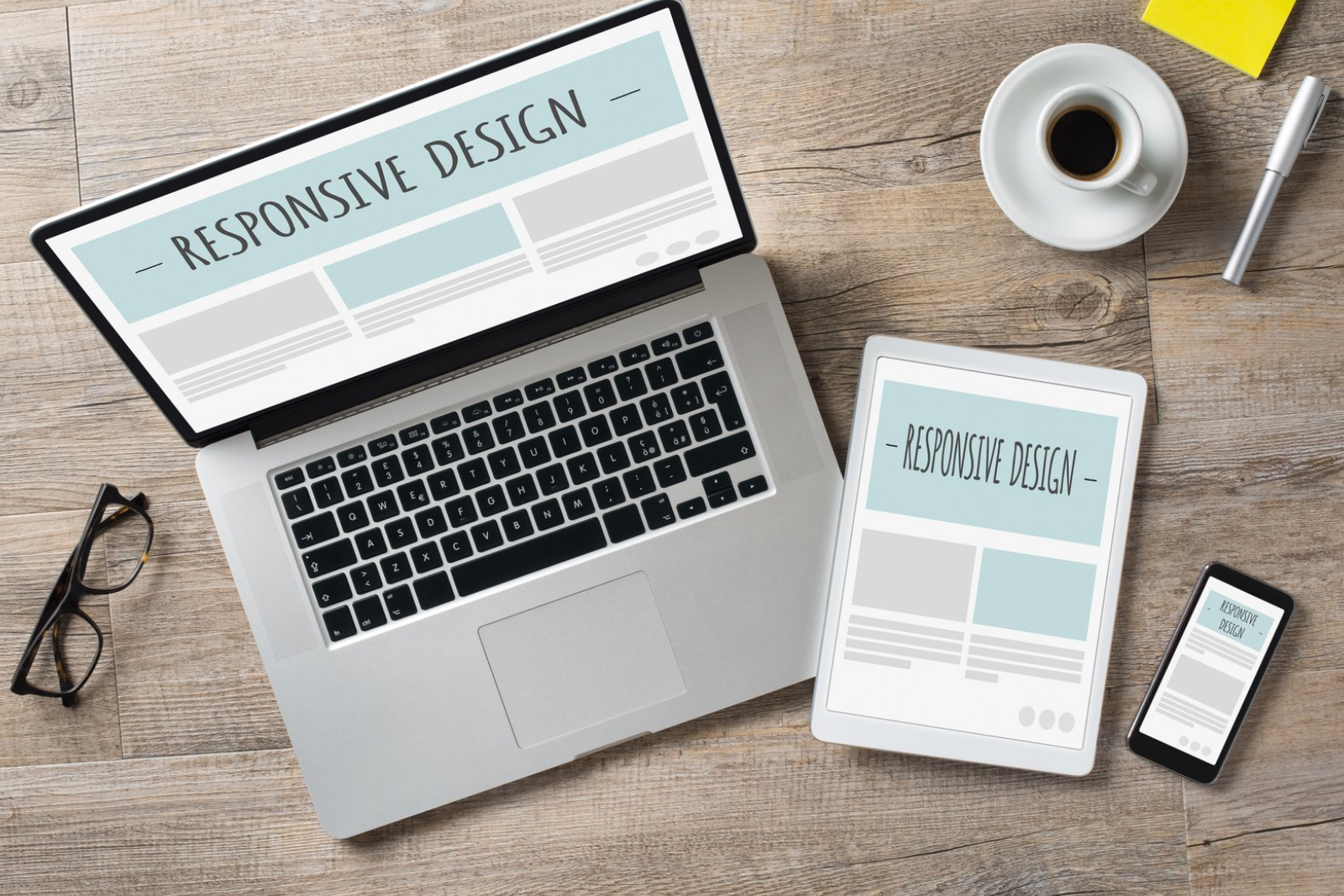
A large portion of digital activity takes place on mobile devices, making responsive and mobile-friendly design increasingly important.
A website that looks good on a desktop computer may not automatically provide a good smartphone experience.
User-centered design considers different screen sizes, touch interactions, mobile navigation, readable typography, button placement, and content hierarchy.
Mobile users may also interact with a website differently from desktop users. They may be looking for quick information while traveling, making a purchase, booking a service, or completing another task from a smaller screen.
Designing around these behaviors can make the mobile experience much more effective.
5. It Supports Better Conversion Paths
A digital experience should not only be easy to use; it should also help users accomplish meaningful goals.
For a business website, these goals could include submitting a contact form, booking an appointment, requesting a quote, purchasing a product, or signing up for a service.
User-centered design helps businesses understand the steps users need to take before completing these actions.
This can make it easier to create logical conversion paths.
For example, a landing page might introduce a problem, explain the solution, provide supporting information, answer common questions, and then present a clear call to action.
When the journey matches the user’s expectations, completing the desired action becomes more natural.
Businesses can also combine user-centered design with conversion-focused development through professional digital solutions from GrowthTech360.
6. It Builds Trust
Trust is an important part of any digital experience.
Users may hesitate to provide personal information, make a purchase, or contact a company if a website looks outdated, confusing, or inconsistent.
User-centered design can support trust by making the experience predictable and professional.
Clear messaging, consistent branding, readable content, transparent information, accessible contact details, secure-looking interfaces, and logical interactions can all contribute to a stronger experience.
Trust does not come from visual design alone, but a thoughtful interface can help users feel more comfortable interacting with a business.
7. It Makes Digital Products More Accessible
User-centered design should consider people with different abilities and circumstances.
Accessibility involves making digital experiences usable by as many people as possible, including users who may have visual, auditory, physical, or cognitive limitations.
Design decisions such as sufficient color contrast, readable typography, clear focus states, descriptive labels, logical content structure, and accessible interaction patterns can make products easier to use.
Accessibility can also benefit users who are temporarily dealing with limitations, such as using a phone in bright sunlight or navigating a website with a slow connection.
Designing for a broader range of users can create a more inclusive digital experience.
8. It Encourages Testing Before Launch
One of the biggest advantages of user-centered design is that it encourages teams to test their assumptions.
A design may look excellent to the person who created it but still confuse real users.
Usability testing can reveal problems that are difficult to identify internally.
A business might discover that users do not notice an important button, misunderstand a headline, struggle to complete a form, or cannot find a specific piece of information.
Testing these interactions before launch gives the team an opportunity to improve the experience.
9. It Reduces Expensive Design Mistakes
Changing a design early in a project is generally easier than rebuilding a developed product after launch.
User-centered design introduces research and testing earlier in the process.
This allows businesses to identify potential problems before significant development resources are invested.
For example, if testing reveals that the planned navigation structure does not make sense to users, it is much easier to change the structure during the design phase than after hundreds of pages and features have already been developed.
This makes user-centered design not only a usability strategy but also a practical development strategy.
10. It Creates Better Long-Term Experiences
User needs can change over time.
New technologies, devices, competitors, customer expectations, and business goals can all influence how people interact with digital products.
A user-centered mindset encourages businesses to continue learning after launch.
Analytics, customer feedback, usability testing, support requests, and conversion data can reveal new opportunities for improvement.
Instead of treating design as a one-time project, businesses can treat the digital experience as something that continues to evolve.
How to Apply User-Centered Design
Businesses do not necessarily need a complicated process to begin applying user-centered design.
A practical process can include several important stages.
Research
Start by understanding the target audience, their goals, common problems, and existing behaviors.
Define
Use the research to identify key user needs and business objectives.
Plan
Map the user journey and determine what users need at each stage.
Design
Create wireframes, interfaces, prototypes, and interaction patterns based on the research.
Test
Put the design in front of real or representative users and observe where they experience difficulties.
Improve
Use the findings to refine the design and remove unnecessary friction.
Measure
After launch, review analytics, feedback, and conversion data to identify additional opportunities.
This process helps ensure that design decisions are connected to actual user needs rather than personal preferences.
User-Centered Design and Business Goals
User-centered design does not mean ignoring business objectives.
In fact, the strongest digital products balance user needs with business requirements.
A website needs to serve its customers while also supporting the company’s goals. An application needs to be useful to its users while also providing value to the organization behind it.
For example, a business may want more leads while users want a quick and simple way to understand the company’s services.
A user-centered approach can bring these objectives together by creating a clear experience that helps users find relevant information and take the appropriate next step.
Companies can further connect design, development, automation, and marketing through an integrated approach such as GrowthTech360’s digital technology services.
Common User-Centered Design Mistakes
Even businesses that understand the importance of UX can make mistakes.
One common problem is designing around internal preferences rather than customer needs.
Another is collecting feedback but failing to act on it.
Some businesses also focus too heavily on visual appearance while overlooking navigation, content structure, accessibility, and usability.
Skipping testing is another frequent mistake. A design should not be considered successful simply because stakeholders like how it looks.
The real question is whether users can accomplish their goals effectively.
The Future of User-Centered Digital Experiences
As digital products become more sophisticated, user expectations will continue to evolve.
Artificial intelligence, personalization, automation, voice interfaces, mobile technology, and other innovations are creating new opportunities for businesses to improve customer experiences.
However, technology alone does not guarantee usability.
Even advanced digital products need to be understandable, useful, accessible, and aligned with user expectations.
This is why user-centered thinking remains important regardless of which technology a business uses.
Conclusion
User-centered design helps businesses create digital experiences around the people who actually use their websites, applications, and digital platforms.
By understanding users, simplifying navigation, reducing friction, improving accessibility, testing designs, and continuously learning from feedback, businesses can create experiences that are easier and more effective to use.
The strongest digital products combine user needs with clear business objectives. When design decisions are based on real user behavior rather than assumptions, businesses have a stronger foundation for building useful and engaging digital experiences.
For businesses planning a new website, application, or digital platform, a user-centered approach can provide a practical framework for creating experiences that support both customers and long-term business growth.