






A landing page is often the first detailed interaction a potential customer has with a business after clicking an advertisement, search result, social media post, email, or promotional campaign. Because landing pages are designed to guide visitors toward a specific action, their design can have a significant impact on conversions.
A well-designed landing page does more than look professional. It helps visitors understand an offer, builds trust, answers important questions, reduces distractions, and provides a clear path toward taking action.
Whether the goal is generating leads, booking appointments, selling products, collecting registrations, or requesting quotes, landing page design should be closely connected to the conversion objective.
What Is a Landing Page?
A landing page is a dedicated web page designed around a specific marketing goal.
Unlike a general homepage, which may introduce several products, services, and sections, a landing page usually focuses on one audience, offer, campaign, or action.
For example, a digital marketing campaign promoting SEO services could send visitors to a dedicated SEO landing page rather than a homepage containing dozens of unrelated services.
A focused page makes it easier for visitors to understand why they arrived and what they should do next.
Why Landing Page Design Matters
Visitors form an impression of a website quickly. If a landing page looks confusing, outdated, untrustworthy, or unrelated to the advertisement that brought them there, visitors may leave before exploring the offer.
Good landing page design creates a logical connection between the visitor’s intent and the information presented on the page.
The design should help visitors answer several important questions:
- What is being offered?
- Is this relevant to me?
- What benefits can I expect?
- Why should I trust this business?
- What should I do next?
When these questions are answered clearly, the conversion process becomes easier.
Start With a Clear Conversion Goal
Every landing page should have a primary objective.
That objective could be:
- Generating leads
- Booking consultations
- Requesting a quote
- Selling a product
- Registering for an event
- Downloading a resource
- Scheduling an appointment
- Starting a free trial
The design should support that objective.
For example, a landing page designed to generate consultation bookings should make the booking process obvious. Adding multiple unrelated goals can divide attention and make the page less focused.
Before designing the page, businesses should define exactly what action they want visitors to take.
Create a Strong First Impression
The top section of a landing page is extremely important because visitors see it before scrolling.
This section, often called the hero section, should communicate the primary value proposition quickly.
A strong hero section can include:
- A clear headline
- Supporting text
- Primary call to action
- Relevant visual
- Trust indicator or supporting proof
The headline should focus on the customer’s need or desired outcome rather than using vague promotional language.
For example, instead of saying “Transform Your Digital Presence,” a more specific headline might explain the service and its intended benefit.
The goal is to give visitors a reason to continue reading.
Keep the Message Consistent With the Campaign
One of the most common landing page problems occurs when the page does not match the advertisement or marketing message that brought the visitor there.
Imagine a PPC advertisement promoting “Professional Website Development for Small Businesses.” If the visitor clicks the advertisement and arrives on a generic homepage, they may have to search for the service mentioned in the advertisement.
This creates unnecessary friction.
The landing page should continue the same message, offer, terminology, and expectations established by the campaign.
Message consistency can help visitors feel that they have arrived at the right place.
Use a Strong Visual Hierarchy
Visual hierarchy determines how visitors naturally process information on a page.
Important elements should stand out clearly, while secondary information should support rather than compete with the primary message.
Typography, spacing, headings, buttons, images, and content sections should work together to create a logical reading path.
A visitor should be able to scan the page and quickly identify:
- What the offer is
- Why it matters
- Why the business is credible
- What action to take
Poor hierarchy can make even good content difficult to understand.
Design Effective Calls to Action
The call to action is one of the most important elements of a landing page.
A CTA should tell visitors exactly what will happen when they click.
Examples include:
- Get Your Free Quote
- Book a Consultation
- Request a Demo
- Start Your Project
- Schedule a Call
- Download the Guide
- Get Started Today
Generic wording such as “Submit” may not communicate the value of taking action.
CTA placement also matters. A primary CTA can appear near the top of the page and again after important supporting information.
However, the page should still maintain one clear primary conversion objective.
Reduce Unnecessary Form Friction
Lead forms are a critical part of many landing pages.
A form that asks for too much information can discourage visitors from completing it. On the other hand, a form that asks for too little information may not provide enough information for the business to qualify the lead.
The right balance depends on the offer.
For a simple consultation request, a short form may be appropriate. For a complex B2B service, additional project information may be useful.
Businesses should regularly review their forms and remove fields that do not contribute meaningful value to the sales or qualification process.
Use Trust Signals Strategically
Visitors need a reason to believe that the business can deliver what it promises.
Trust signals can provide additional reassurance and may include:
- Customer testimonials
- Reviews
- Case studies
- Client logos
- Portfolio examples
- Certifications
- Industry experience
- Guarantees where appropriate
Trust signals should appear near areas where visitors are making important decisions.
For example, testimonials can be placed near a CTA or lead form to provide additional reassurance before someone submits their information.
Show Benefits Instead of Only Features
A landing page should explain why an offer matters to the customer.
Features describe what a product or service includes. Benefits explain what those features mean for the customer.
For example, instead of simply saying that a website includes CRM integration, a landing page could explain that the integration helps businesses capture and manage leads more efficiently.
Benefits make the offer easier to understand from the customer’s perspective.
Businesses should prioritize the outcomes that matter most to their target audience.
Use Relevant Visuals
Images and videos can support a landing page when they reinforce the message.
Relevant visuals can demonstrate a product, show a service in action, present a result, or help explain a complex concept.
However, visuals should not be added simply to fill empty space.
Every image should contribute to the visitor’s understanding of the offer or reinforce credibility.
Large, irrelevant, or poorly optimized images can also negatively affect page performance, so visual content should be selected and optimized carefully.
Keep the Page Focused
A landing page does not necessarily need to be short. It needs to be focused.
Complex or high-value offers may require more information before visitors feel comfortable converting. In those cases, longer landing pages can provide detailed explanations, FAQs, comparisons, case studies, and other supporting information.
The important factor is whether every section supports the conversion goal.
Businesses should remove content that does not help visitors understand the offer, overcome objections, or take the next step.
Address Common Customer Objections
Visitors may hesitate because they have unanswered concerns.
For example:
- Is this service right for my business?
- How much does it cost?
- How long does it take?
- What is included?
- What happens after I submit the form?
- Can the service be customized?
- Is support included?
A good landing page can address these concerns before they become reasons to leave.
FAQs, process sections, testimonials, guarantees, and clear service explanations can all help reduce uncertainty.
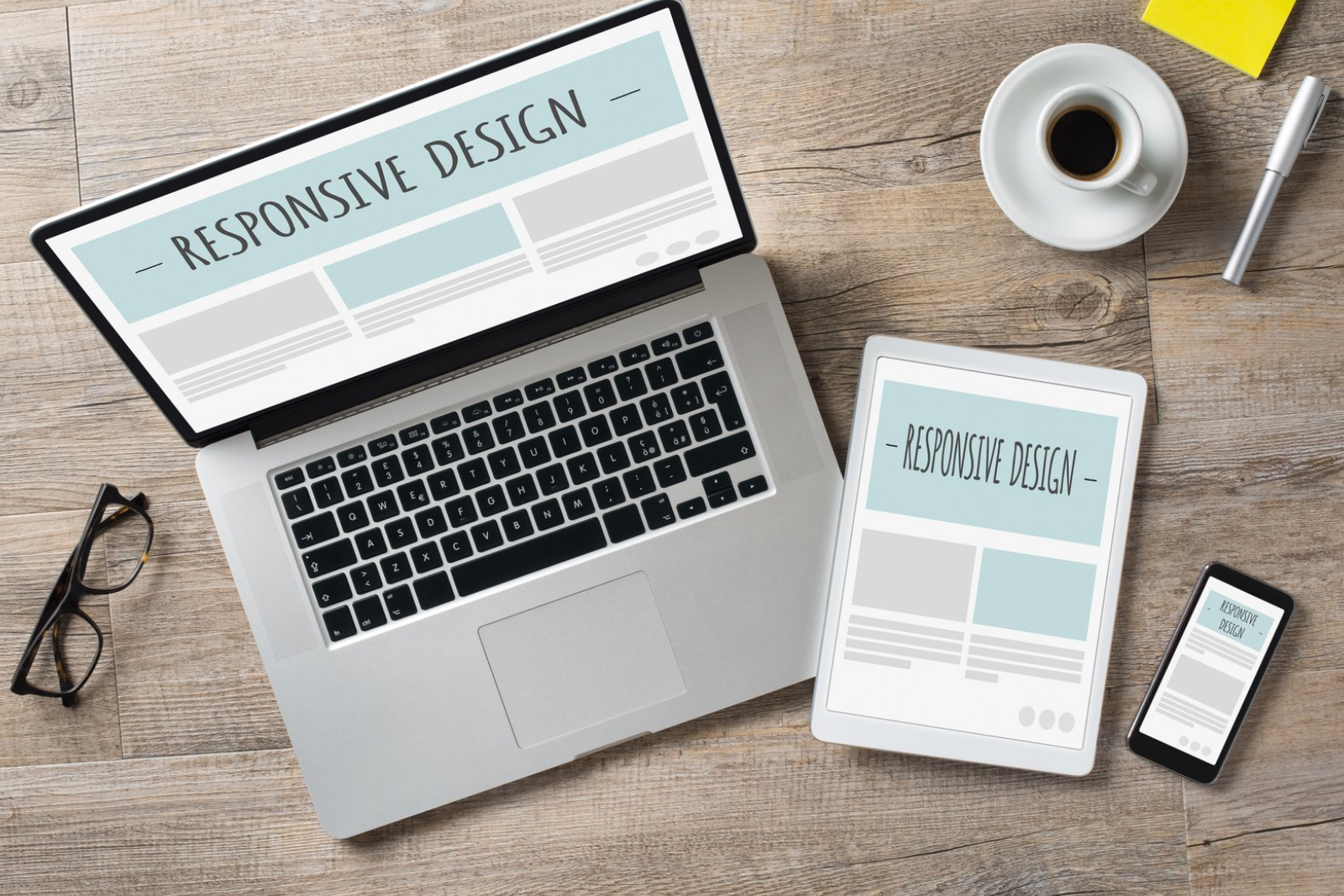
Make Landing Pages Mobile-Friendly
Many visitors access landing pages from smartphones, particularly when clicking social media advertisements or mobile search results.
A landing page that works well on desktop but performs poorly on mobile can lose potential conversions.
Mobile design should consider:
- Readable typography
- Appropriate spacing
- Easy-to-tap buttons
- Simple forms
- Fast loading
- Proper image scaling
- Clear navigation
- Easy access to contact options
Businesses should test landing pages on actual mobile devices rather than relying only on desktop previews.
Improve Page Loading Speed
A slow landing page can create friction before the visitor even sees the offer.
Large images, unnecessary scripts, excessive animations, third-party tools, and inefficient hosting can all contribute to slower performance.
Businesses should monitor page speed and optimize technical elements where necessary.
Image compression, caching, efficient code, appropriate hosting, and careful use of third-party scripts can help create a faster experience.
A faster page gives visitors a better opportunity to engage with the content and complete the desired action.
Use Landing Pages for Different Campaigns
A single landing page does not always need to serve every audience.
Businesses can create separate landing pages for different:
- Services
- Products
- Customer segments
- Locations
- Advertising campaigns
- Offers
- Industries
For example, a company offering software services to healthcare organizations may create a healthcare-specific landing page rather than directing all industries to the same generic page.
This allows the content, examples, benefits, and calls to action to be more relevant to each audience.
Connect Landing Pages With CRM and Automation
A landing page becomes more valuable when the leads it generates are automatically organized and followed up.
Forms can be connected with CRM systems so that new leads are captured and assigned appropriately.
Automation can also help with tasks such as:
- Sending confirmation emails
- Notifying sales teams
- Creating CRM records
- Assigning leads
- Triggering follow-up sequences
- Scheduling appointments
- Tracking campaign sources
This reduces manual work and helps businesses respond to potential customers more consistently.
Businesses looking to connect landing pages with broader digital systems can work with GrowthTech360 to integrate website development, CRM, automation, marketing, and conversion-focused solutions.
Test Different Landing Page Elements
Landing page optimization should be based on evidence.
Businesses can test different versions of important elements, including:
- Headlines
- CTA text
- Button placement
- Images
- Form length
- Testimonials
- Page layouts
- Offers
- Supporting copy
A/B testing allows businesses to compare different versions and measure their impact.
Testing should have a clear objective. Rather than changing multiple major elements at once, businesses can isolate important variables when possible and monitor meaningful conversion metrics.
Track More Than Form Submissions
Landing page performance should be evaluated using metrics that reflect the actual business goal.
Useful measurements may include:
- Conversion rate
- Qualified leads
- Cost per lead
- Booking rate
- Sales opportunities
- Customer acquisition cost
- Revenue generated
For example, a landing page may produce many form submissions but very few qualified leads. In that case, the number of submissions alone does not provide a complete picture.
Businesses should connect landing page performance with CRM and sales data whenever possible.
Landing Page Design and Overall Brand Experience
A landing page should support the wider brand rather than feel disconnected from the rest of the business.
Brand colors, typography, imagery, tone of voice, and messaging should be consistent enough to create familiarity.
At the same time, the landing page can be more focused than the main website.
Consistency builds recognition, while focused design keeps attention on the campaign objective.
This balance can create a professional experience without introducing unnecessary distractions.
Build Landing Pages Around Customer Intent
One of the most effective ways to improve landing page performance is to understand why visitors are arriving.
Someone searching for “website development company” has a different intent from someone searching for “how to build a website.”
The first person may be closer to requesting a service, while the second may be looking for educational information.
Landing page content should match the visitor’s intent.
When the page answers the question or fulfills the expectation that brought the visitor there, the conversion journey becomes more natural.
How GrowthTech360 Can Help With Conversion-Focused Websites
Effective landing pages often require multiple digital capabilities working together.
The page itself needs strong design and development, while campaigns need traffic, forms need to capture information, CRM systems need to organize leads, and automation can support follow-up.
GrowthTech360 provides website development, UI/UX design, automation, CRM setup, SEO, PPC advertising, funnel development, and conversion-focused digital solutions that can help businesses connect these different parts of the customer journey.
A landing page should therefore be viewed as part of a larger system rather than simply a standalone webpage.
Final Thoughts
Landing page design can have a major influence on whether website visitors become leads or leave without taking action.
A successful landing page combines clear messaging, focused content, strong calls to action, trust signals, simple forms, relevant visuals, mobile-friendly design, fast performance, and a conversion-focused user experience.
The best landing page is not necessarily the page with the most design elements. It is the page that makes the visitor’s decision easier.
Businesses should continuously analyze performance, test important elements, and improve the page based on real customer behavior.
When landing pages are connected with SEO, PPC, social media, CRM, automation, and follow-up systems, they can become an important part of a complete digital lead-generation strategy. GrowthTech360 can help businesses build the connected digital infrastructure needed to turn targeted website traffic into meaningful business opportunities.